Composite Bonding
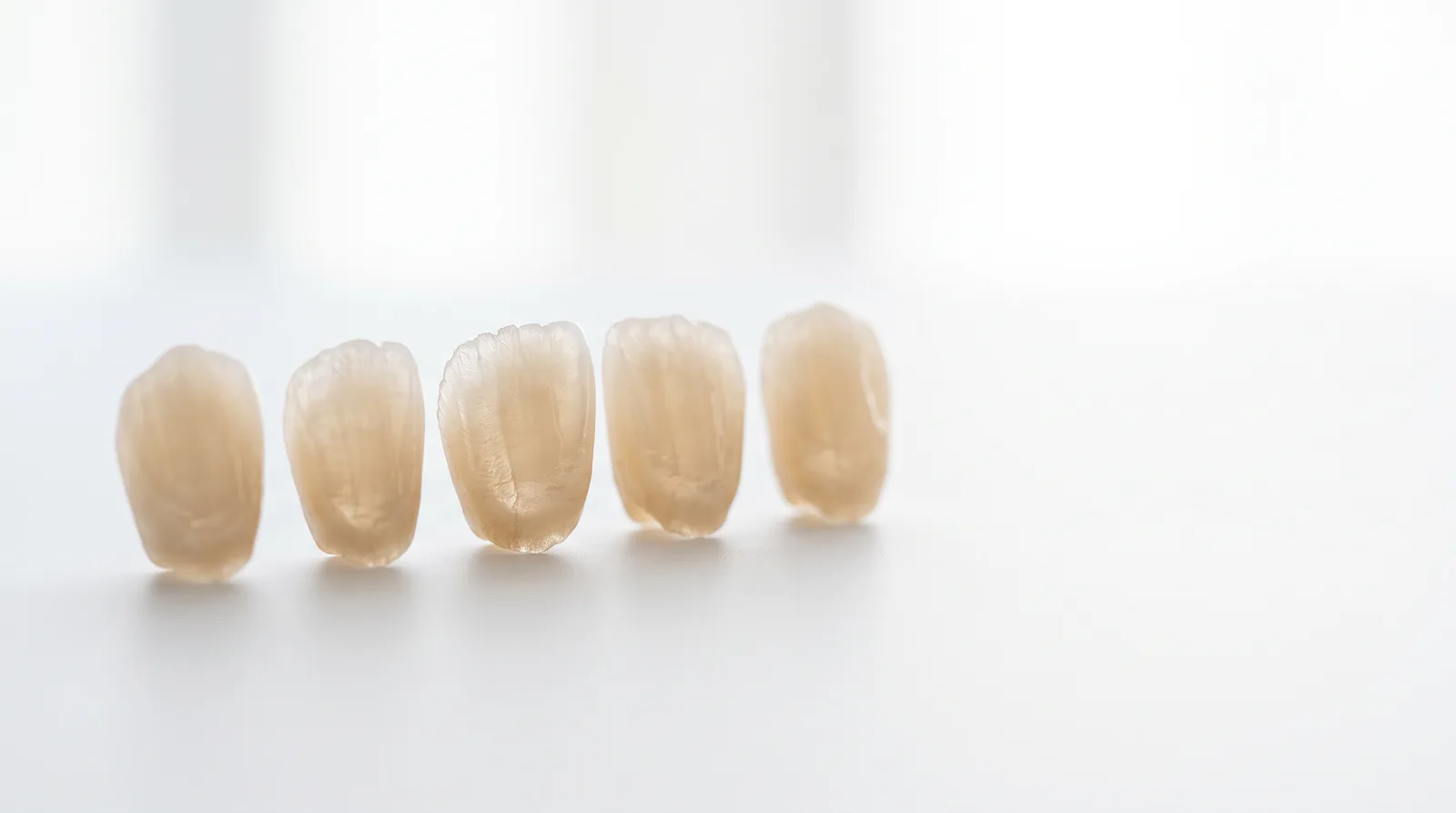
Composite bonding applies a tooth-coloured resin to correct chips, cracks, gaps or discolouration, usually finished in a single, minimally invasive visit. It’s a quicker, more affordable option than veneers for many smaller cosmetic changes, and suits patients who want a natural-looking result without reshaping the whole tooth.
What it is and who it's for
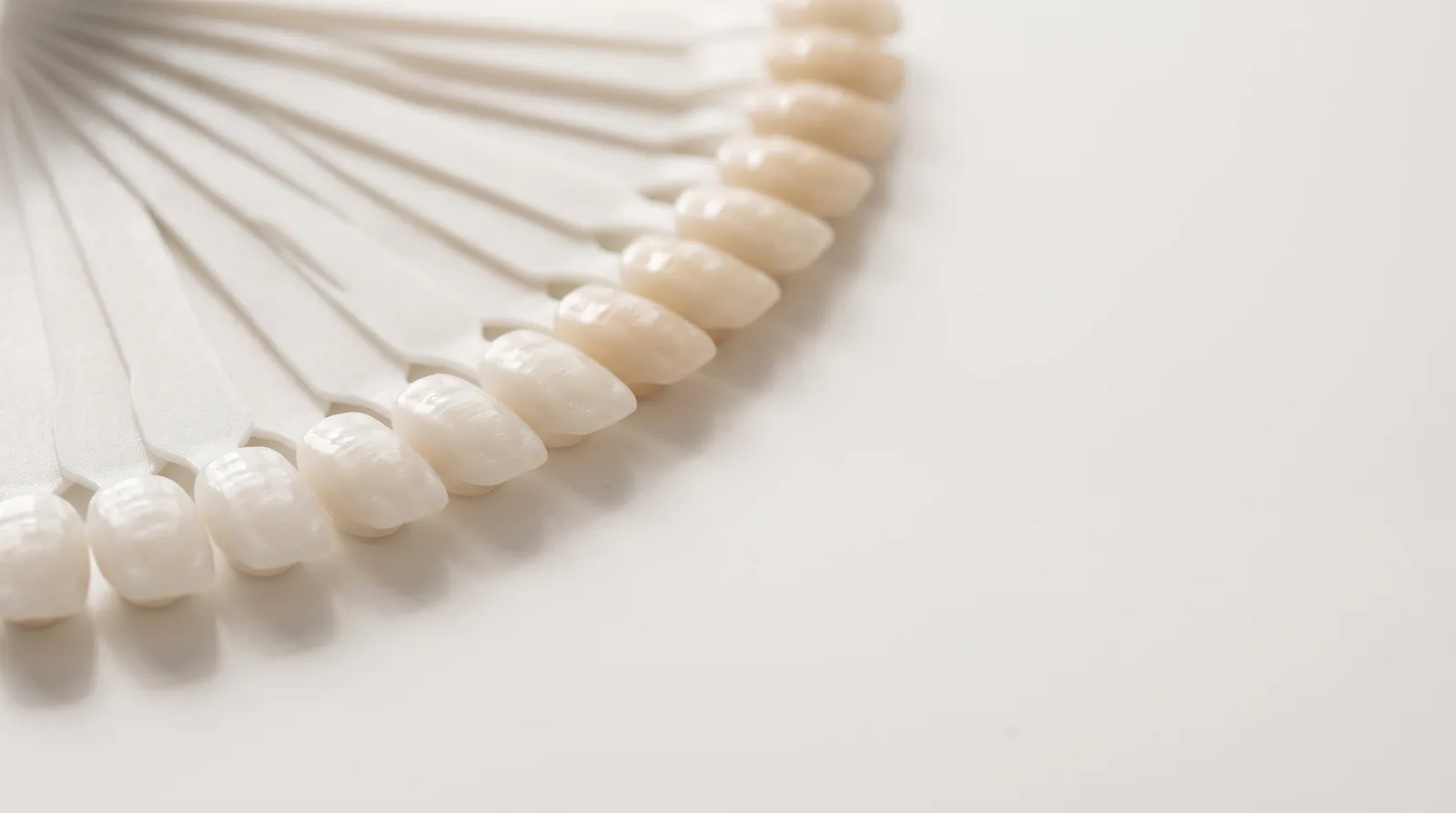
Composite bonding applies a tooth-coloured resin to the surface of a tooth to correct chips, cracks, gaps or discolouration. It suits anyone wanting a quicker, more affordable cosmetic change than veneers, usually finished within a single visit.
How treatment works
-
Preparing the tooth
The tooth's surface is gently etched to help the composite material bond securely. This doesn't need anaesthetic for most patients.
-
Applying and shaping the composite
The tooth-coloured resin is applied in layers, each hardened with a curing light, and sculpted to the shape and size you’ve agreed.
-
Polishing
The finished bonding is polished to match the shine of your surrounding teeth, usually completed in a single visit.
What you can expect
- Corrects chips, gaps and staining without removing much tooth structure
- Usually completed in a single, minimally invasive visit
- A more affordable option than veneers for smaller changes
- No anaesthetic needed for most patients
Cost & finance
| Treatment | From | Member price | Notes |
|---|---|---|---|
| Composite bonding | £450 | £360 | Priced as composite veneer work — same published rate as the Veneers page. Member price is lower. See Membership & Pricing. |
Membership plans cover routine care and cut 20% off most other treatment. See Membership & Pricing to find the right plan.
Real results
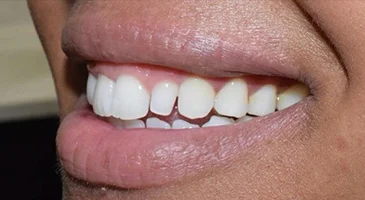
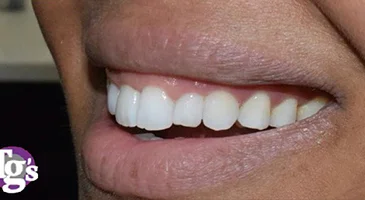
These are TGS's own patient case photographs, shown with consent.
Where you can have this done
Common questions
Does composite bonding hurt?
Composite bonding is designed to be comfortable. Most patients don’t need anaesthetic, though some notice mild sensitivity during the appointment.
How long does composite bonding last?
How long bonding lasts depends on the tooth’s location, your oral hygiene and lifestyle factors such as diet, but it commonly lasts 5 to 7 years with proper care.
Can bonding be removed or replaced?
Yes, bonding can be removed and replaced if needed, though this may involve removing a small amount of the natural tooth structure underneath.
Does composite bonding require special care?
No special routine, just consistency. Keep up regular brushing, flossing and check-ups, and avoid biting or chewing on hard objects like ice or pens, which can chip or damage the bonded material. Beyond that, bonded teeth are looked after the same way as your natural ones.