
Tooth Extractions
A tooth extraction removes a tooth that’s too damaged, decayed or crowded to be saved by other treatment. It’s always a last resort, considered only once other options have been ruled out. Carried out under local anaesthetic, we’ll also talk through replacement options such as a bridge, denture or implant if you need one.

What it is and who it's for
A tooth extraction removes a tooth that can’t be saved by a filling, crown or root canal, because of extensive decay, damage, infection or overcrowding. It’s considered only once other treatment options have been ruled out, and is carried out under local anaesthetic.
How treatment works
-
Assessment
We confirm extraction is the right option, taking an X-ray to see the tooth’s roots and surrounding bone.
-
The extraction
Under local anaesthetic, the tooth is carefully loosened and removed. More complex cases are booked as a planned surgical appointment.
-
Aftercare and next steps
Mild swelling or discomfort in the days after is common — we explain how to care for the socket while it heals, and talk through replacement options such as a bridge, denture or implant if you want one.
What you can expect
- Removes a tooth causing pain or infection that can’t otherwise be treated
- Clears the way for orthodontic treatment where overcrowding is the cause
- Prevents infection spreading to neighbouring teeth or the jaw
- A clear discussion of replacement options before you leave
Cost & finance
| Treatment | From | Member price | Notes |
|---|---|---|---|
| Incisor / canine extraction | £225 | £180 | Member price is lower. See Membership & Pricing. |
| Premolar extraction | £245 | £196 | Member price is lower. See Membership & Pricing. |
| Molar extraction | £275 | £220 | Member price is lower. See Membership & Pricing. |
| Planned surgical examination | £495 | £396 | Member price is lower. See Membership & Pricing. |
Membership plans cover routine care and cut 20% off most other treatment. See Membership & Pricing to find the right plan.
Where you can have this done
Common questions
Is extraction always a last resort?
Yes. We only recommend extraction once other options, such as a filling, crown or root canal, have been ruled out or the tooth is too damaged to save.
What can I expect afterwards?
Mild swelling or discomfort in the days after an extraction is common. We’ll explain how to care for the socket while it heals, and what to avoid in the first 24 hours.
What replacement options are there?
Depending on your case, a missing tooth can be replaced with a dental implant, a bridge or a denture. We’ll talk through what suits you once the area has healed.
What is a planned surgical examination?
Some extractions are more complex, for example an impacted tooth, and are booked as a planned surgical appointment, examined and priced separately from a routine extraction.
Related treatments
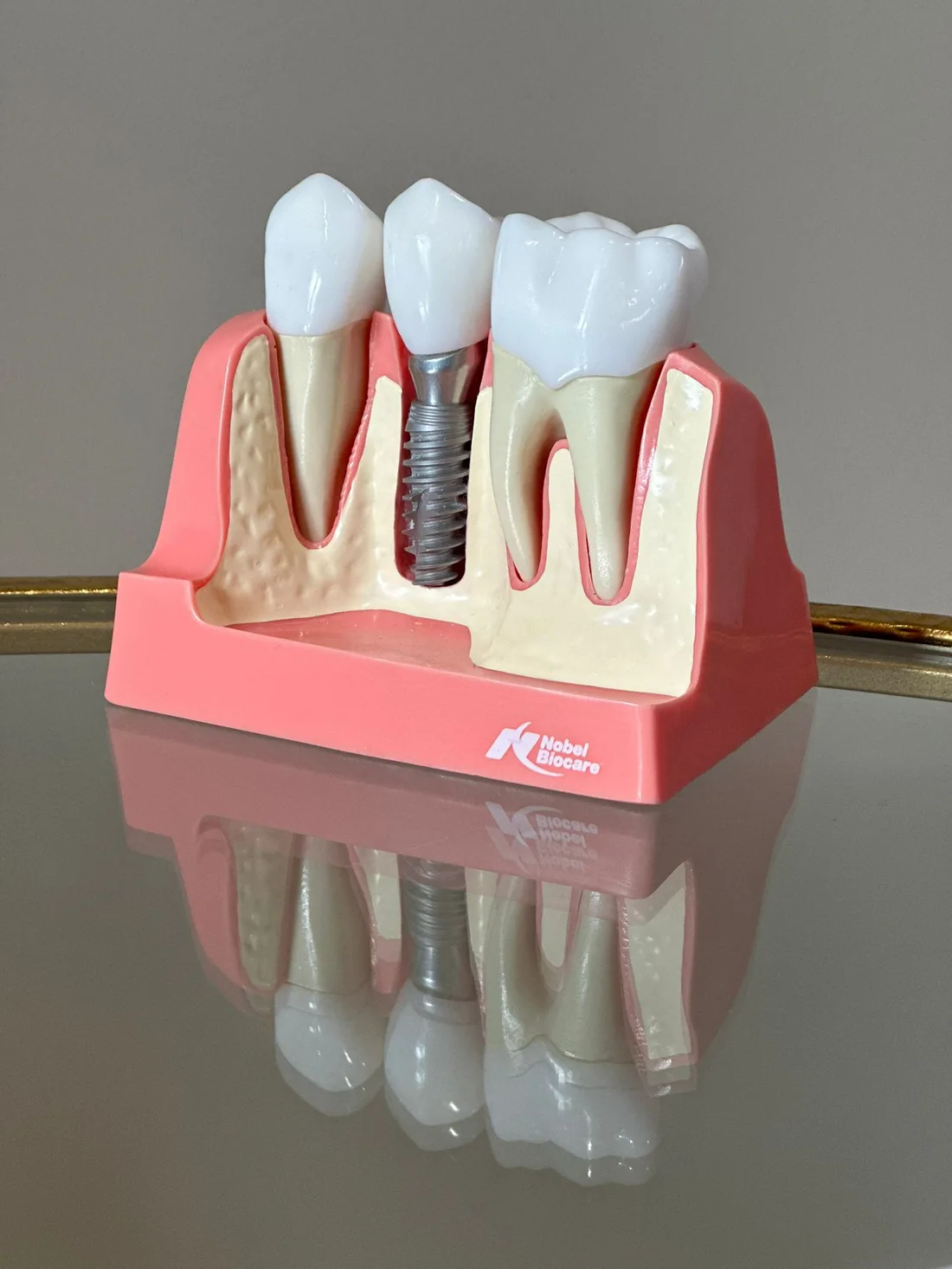
Dental Implants
A fixed replacement that looks and works like your own tooth.
From £4,000 one tooth (excludes bone grafting)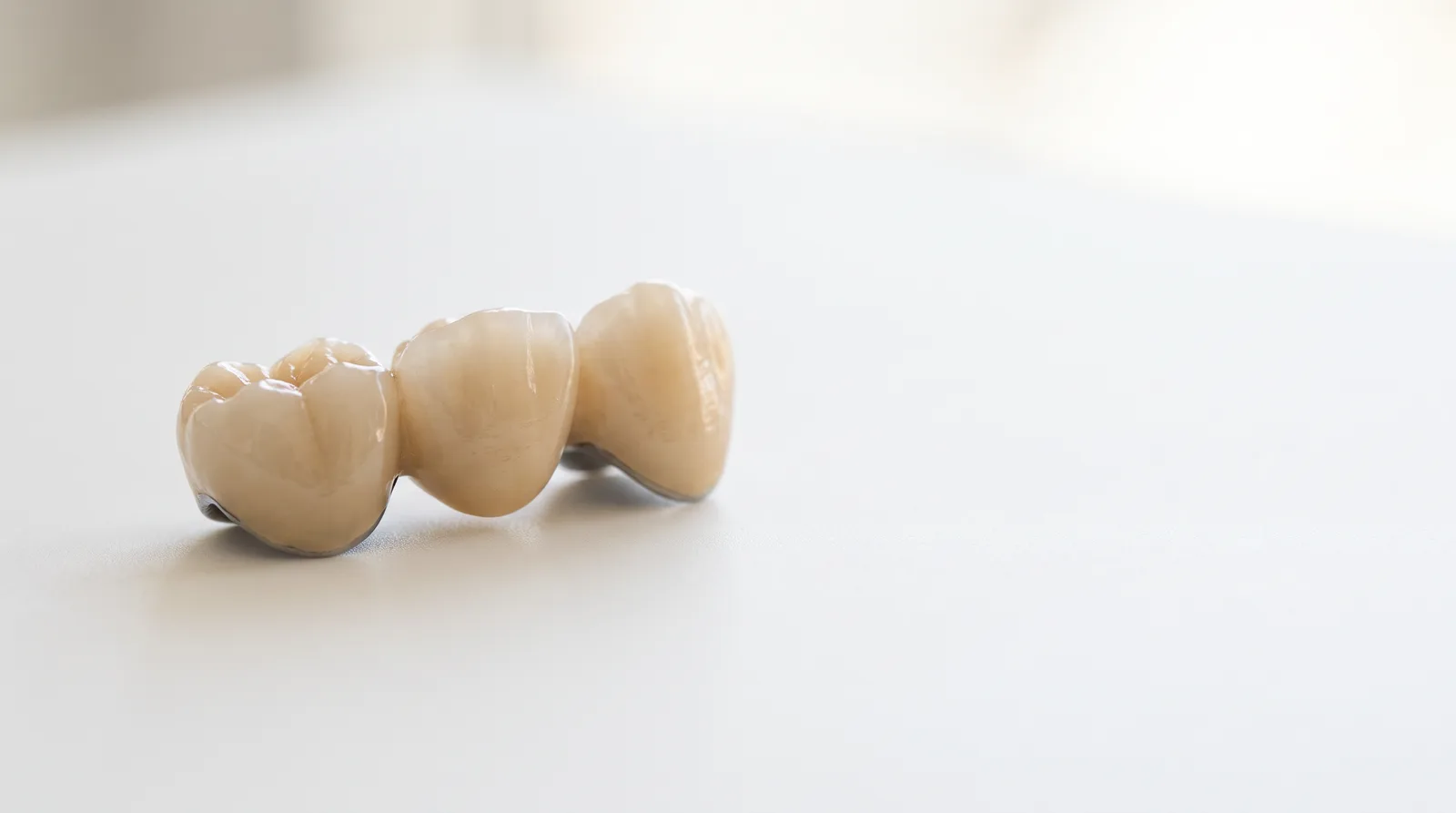
Dental Bridges
A fixed bridge, anchored to your own teeth.
From £950 per unit, metal-based (all-ceramic from £1,050)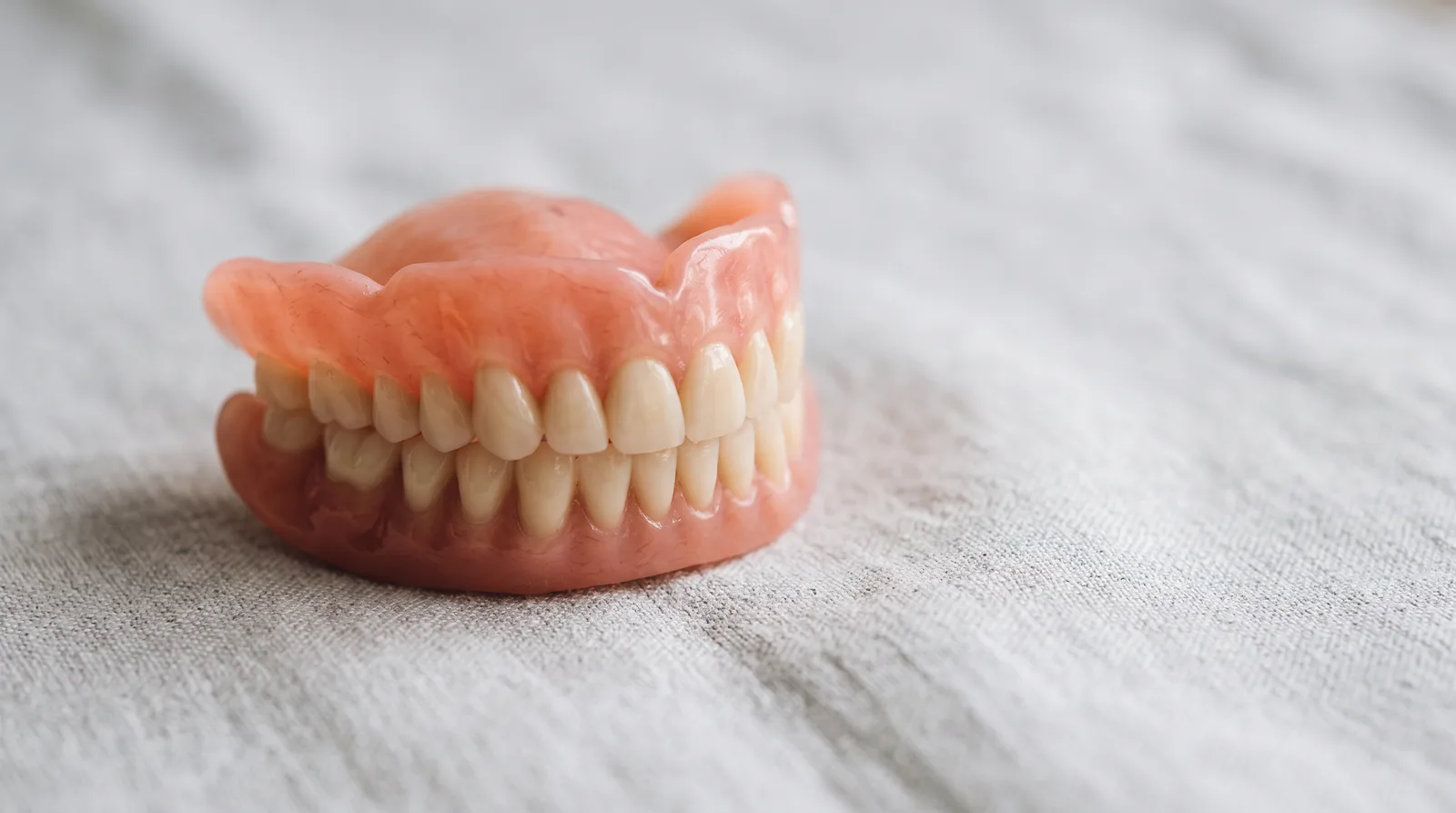
Dentures
A removable, custom-fitted set of replacement teeth.
From £1,195 a full or partial arch (both arches from £2,195) Same-day
 Emergency Dentist
Urgent care when a tooth cannot wait.
From £120 emergency appointment, regular attendee